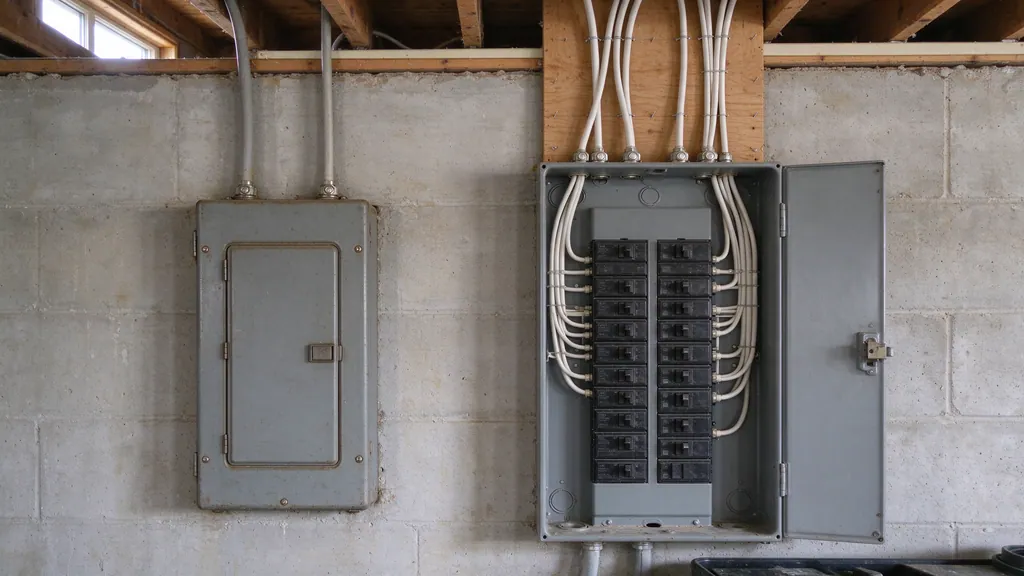
Your fuse box keeps blowing, your panel has no empty spaces, or you’re adding air conditioning or a car charger and someone told you the panel has to go. Before you replace it, it’s worth knowing what’s wired behind it.
At Northloom Minneapolis Knob and Tube, we upgrade electrical panels in older homes in Minneapolis and St. Paul. We plan your panel around the circuits behind it, because in a house built before about 1940 the most important question often isn’t the panel at all.
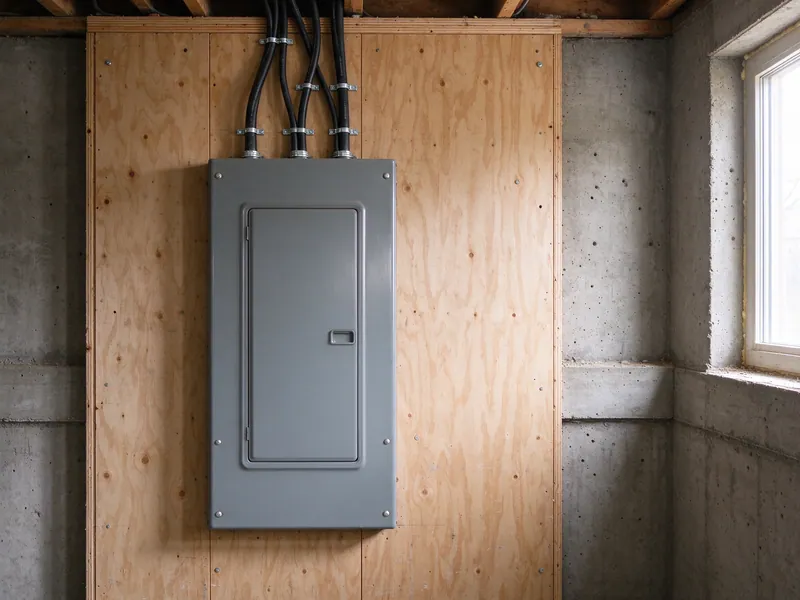
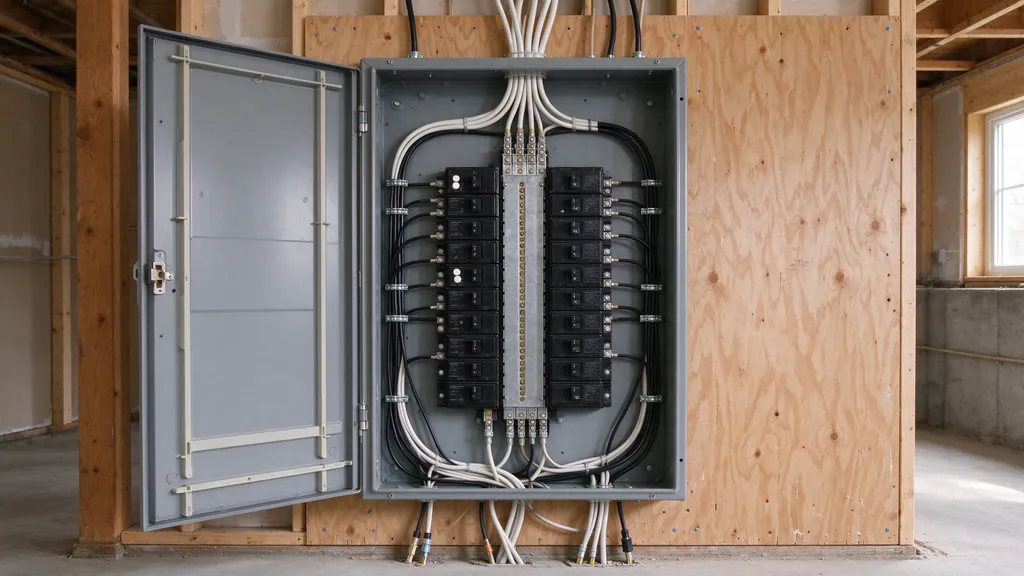
A new panel is a real improvement: correctly sized breakers, room for arc-fault and ground-fault protection, and capacity for the loads your house carries today. What it doesn’t do is change a single branch circuit. Every run of knob and tube behind a fuse box is still knob and tube behind a new breaker panel.
What do you check before quoting a panel?
We trace the circuits behind your old panel before anyone sizes a new one.
- Branch circuits
- We match each fuse or breaker to its rooms and identify the wire leaving it as original, cloth-covered or modern.
- Fuse sizes
- We check each fuse against the wire it protects, since oversized fuses are common.
- Loads
- What your house runs now and what you plan to add: air conditioning, a heat pump, an induction range, a car charger.
- Service
- The size and condition of your service entrance, meter base and mast.
- Your scope
- A written recommendation: panel only, panel and service, or a rewire with the panel at the end.
Is my old fuse box the reason my outlets are tapped together?
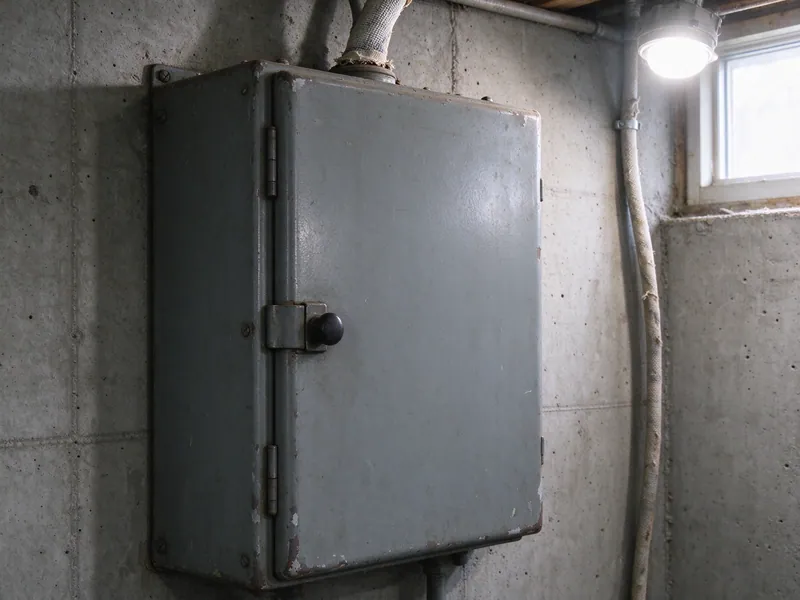
Often, yes. Many older Minneapolis houses still have a screw-in fuse box or an early breaker panel with no spare spaces, usually on a small service sized for lights and a few appliances. Those panels can’t hold arc-fault and ground-fault breakers, and a full panel is often why earlier owners tapped new outlets into existing circuits instead of adding new ones.
| What your old panel shows | What it usually means |
|---|---|
| Screw-in fuses | Original or early equipment; every fuse size needs checking against its wire |
| Fuses larger than 15 amps on lighting circuits | Overfused circuits; protection lost |
| A breaker panel with every space used and doubled breakers | No room for new circuits or modern protection |
| Two panels, one fed from the other | Earlier additions; we trace both before planning |
Will a new panel get rid of my knob and tube?
No, and this is the most common misunderstanding about older wiring. The panel is the source; the branch circuits are the wiring. Insurers, buyers and inspectors asking about knob and tube are asking about the branch circuits.
- What changes
- Protection at the source: properly sized breakers, room for arc-fault and ground-fault devices, and capacity.
- What doesn't
- The wire in your walls and attic, its lack of a ground, its age and any splices along it.
- The right order
- If original circuits are still live, we rewire first or together, and change the panel at the end so new circuits land on it directly.
The guide to panel upgrades versus knob and tube replacement explains how insurers read each.
How big a service do I actually need?
We size a new service with a load calculation, not by habit. It adds up your house’s actual and planned loads under the code’s method: general lighting and receptacles, kitchen and laundry circuits, heating and cooling, a range, a dryer, a water heater and any car charger.
A house heated by gas with window air conditioners has a very different load from one moving to a heat pump and an induction range. Your scope states the calculated load and the service size we chose, so you can check the number instead of taking it on faith. The guide to modern appliance loads covers why original circuits struggle with today’s appliances.
What happens with Xcel and the permit on changeover day?
A panel or service change involves both the permit office and the utility, and we schedule them together.
| Step | Who handles it |
|---|---|
| Permit | Minnesota Department of Labor and Industry in Minneapolis, with $35 added to the state fee for a service; the City of Saint Paul in St. Paul, at $85 a service |
| Disconnect | Xcel Energy cuts power before the old equipment comes out |
| Inspection | The inspector approves the new service and panel |
| Reconnect | Xcel Energy restores power to the new service |
The request for inspection goes in at or before the start of work, and we build the utility appointment into your schedule. Expect your house to be without power for part of the changeover day.
Should the panel and a rewire happen together?
When original circuits are still live, yes, and we usually change the panel at the end of the rewire instead of before it. We run the new circuits first and land them on the new panel on changeover day, so nothing gets wired twice and your house stays on its old equipment until the last day or two. Doing both under one permit also keeps the inspections together.
Can the new panel go where the old one is?
Usually. Most panel upgrades put the new panel where the old one was, because that’s where the service enters and the branch circuits meet. Sometimes the old spot doesn’t work.
- Working space
- The code requires clear working space in front of a panel, at least 30 inches wide and 36 inches deep, which an old fuse box tucked behind a basement stair or a water heater may not have.
- Not in closets or bathrooms
- Overcurrent devices can’t go in clothes closets or bathrooms, a rule some older installations predate.
- Moving the panel
- Relocating it means extending every branch circuit to the new spot, which is easier when those circuits are being replaced anyway.
- Outside the house
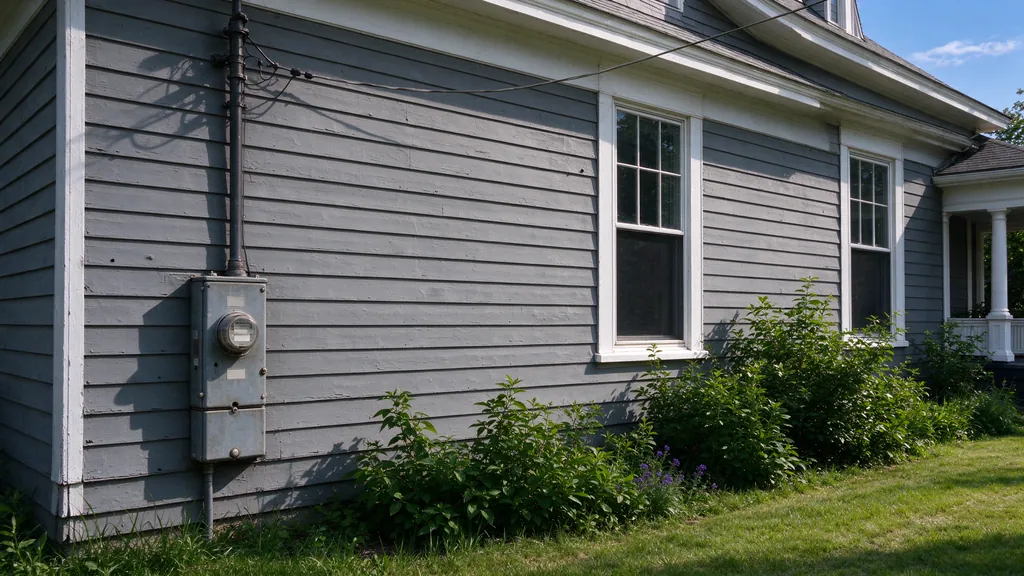
- A new service can move the meter or the mast. In a designated historic district, check before an exterior change is designed.
What if I own a duplex with separate meters?
Two- and three-unit buildings often have a panel and a meter for each unit, plus a house panel for common areas. A service upgrade can change one unit or the whole building, and we run the load calculation unit by unit. The duplex rewiring page covers scheduling around residents.
What does a panel upgrade cost?
Our typical range for a panel and service upgrade is $2,500 to $7,000. Where yours lands depends on whether the service size changes, whether the panel stays in place or moves, and how many branch circuits have to be landed on new breakers. We give you a written estimate from the traced circuits and the load calculation before anything is booked.
Is there a grant or rebate that helps pay for it?
Panel incentives come up often, and their status changes.
- Minnesota panel grant
- Created by the state for income-qualified households, with up to $3,000 for a single-family home below 80% of area median income and $2,000 up to 150%. It isn’t accepting applications yet, and grants won’t cover work done before approval.
- Federal credit
- The federal home improvement credit covered qualifying panels of 200 amps or more, up to $600. It ended for work placed in service after 2025.
The rebates guide tracks both. Confirm the current status before you count on either.